During the winter months, we eat a lot of foods that were lovingly prepared and saved during the peak of our growing season. Soups, Chili, Sauces and Sausages are some of our regular fare.
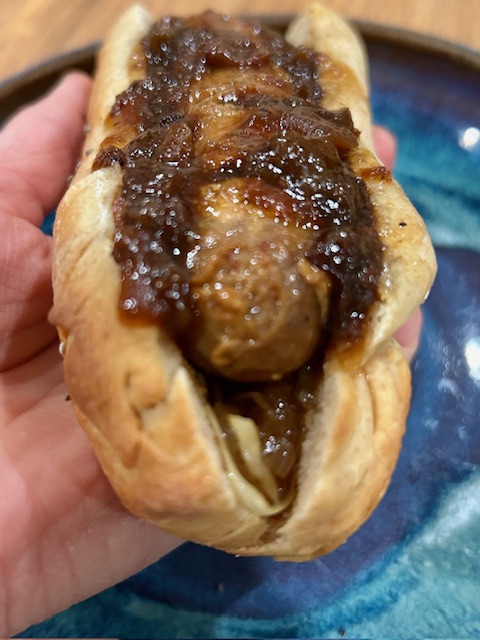
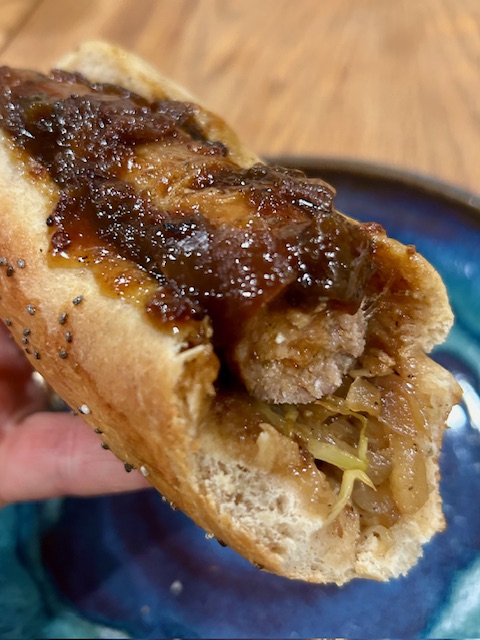
With the bulk of the cooking done in advance, winter is a great opportunity to make simple fare special with next-level breads and toppings. Serving our pasture raised pork sausages on home made buns with home made chutney, fried onions and sauerkraut is a perfect example.
Ingredients
- *Pastured pork sausages
- For the buns:
- 1. 2 tbsp/1oz unsalted butter (plus extra for greasing pans)
- 2. 1/4c maple syrup*
- 3. 2 1/4c (+ 2tbsp if you are doing step ***below) milk*
- 4. 2 tbsp salt
- 5. 840g bread flour*
- 6. 1.5 tbsp yeast
- For the toppings:
- Sauerkraut, 1/2 jar, home made from Jan 26 post (or purchase ready made*)
- One large onion
- Butter or olive oil
- Green tomato chutney*
- Sesame, poppy or chia seeds (optional)
- *Harmony Farm products
Equipment
- For the buns:
- Electric stand mixer with paddle beater and dough hook
- Measuring cups and spoons
- Sauce pan
- Whisk
- Tea towel
- Sheet pan
- Kitchen scale
- Instant read thermometer
- Stainless steel bowl or large tupperware container for proofing dough
- Rolling pin (optional)
- Sheet pan
- Basting brush
- For the toppings:
- Chef knife and cutting board
- Skillet (preferably cast iron or carbon steel)
Method
For the buns:
Measure out all of the ingredients in separate containers
***OPTIONAL STEP: Combine 1/2 of the milk and 1/2 cup of the flour over medium heat in a sauce pan, whisking constantly until it forms a slurry and is slightly thickened. This will only take a few minutes. Set this aside to cool to 108 degrees (you can also place in the fridge to speed this up).
If you are in a hurry, you can skip this step BUT it is a little bit of magic that will keep your buns fresher for longer by allowing the dough to hold more moisture. ***
Combine remaining milk, butter and maple syrup on the stove. Heat on medium-low until reaching 108 degrees then remove from heat
Meanwhile, divide remaining flour in half. Add Salt and yeast to half of the flour and place this in the bowl of the stand mixer. Set the other half aside.
Once the slurry has cooled to 105-115 degrees and the milk mixture has heated to the same temperature, add these to the flour in the mixer. Slowly mix until combined and then beat at medium speed for about 2 minutes until the mixture is smooth.
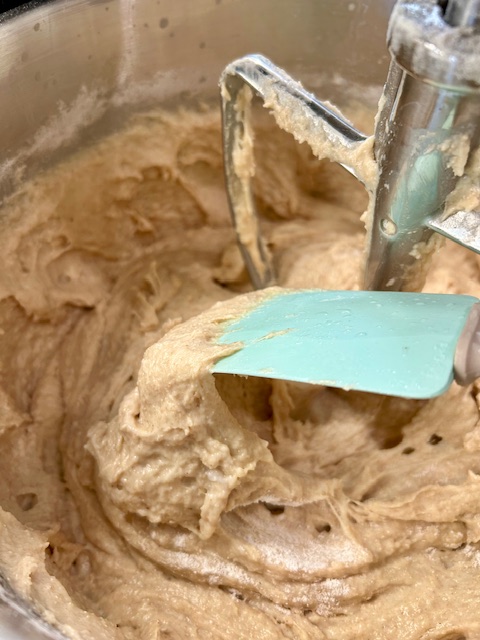
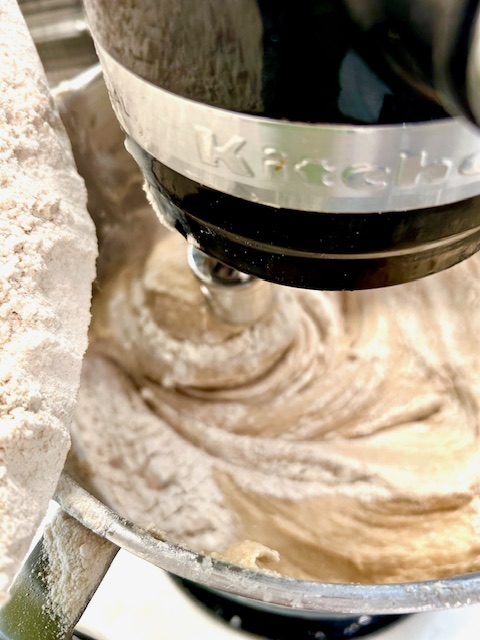
At this point, change to the dough hook and gradually add remaining flour then mix at low speed until the dough is pulling away from the sides of the bowl and is elastic. If the dough is not pulling away after 5-8 minutes, add a bit more flour, a few tablespoons at a time until it starts to form a ball.
With a small pat of butter, lightly grease the bottom and sides of a bowl or container that is at least twice the size of your dough ball. Place the dough in the bowl then flip the dough upside down so that all sides are lightly greased to prevent sticking.
Cover with a damp towel or fitted cover then leave to rise in a warm spot for about an hour until doubled in size (I place it in the oven with a light on)
While this is rising, lightly butter a sheet pan. This is where your buns will do their second rise and bake.
Once doubled, Divide the ball into 80g pieces, each formed into a ball. You can divide it all at once and keep the balls covered with a damp cloth or cut them and shape them one at a time.
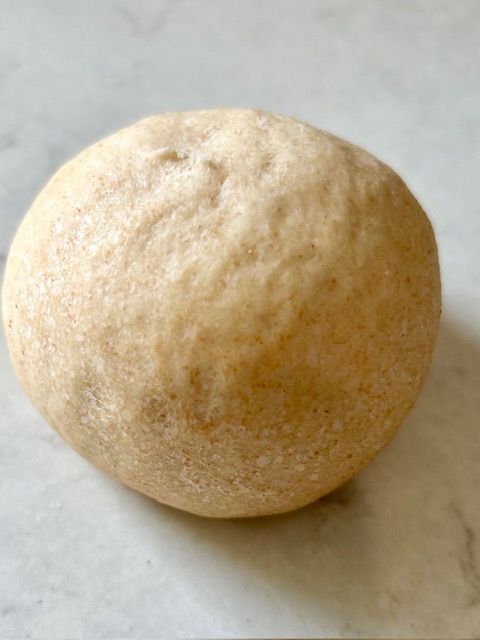
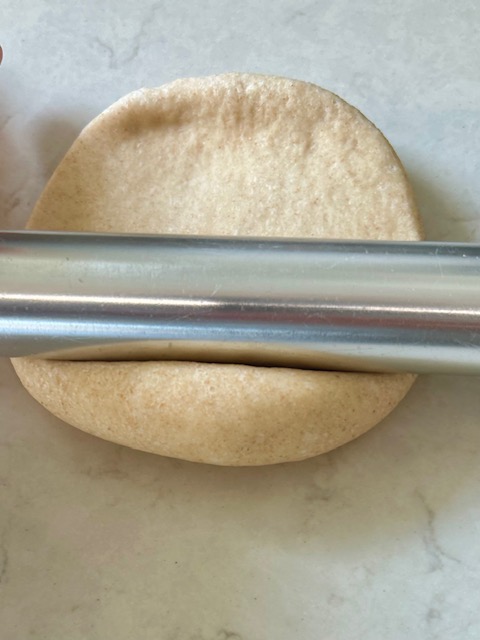
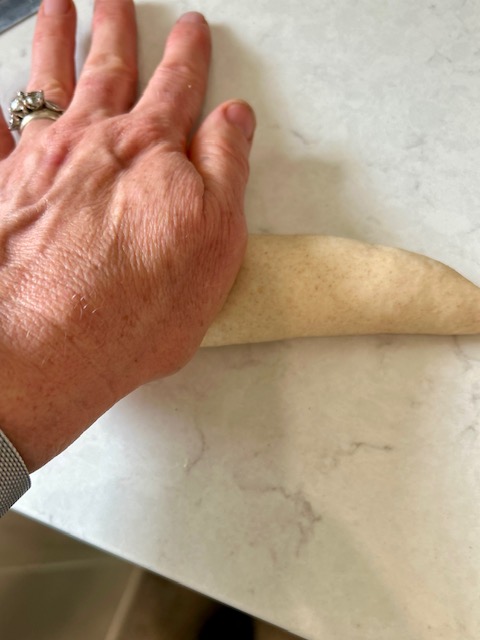
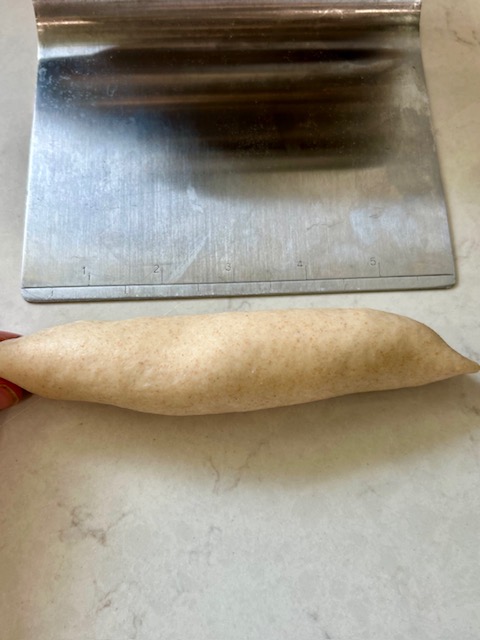
To shape, roll each tiny ball flat with the heel of your hand or a rolling pin then flip it upside down, pull out the bottom corners and fold down from the narrow end to the wide end ~3x until meeting the bottom edge. Pinch where the bottom edge joins the rest of the dough to form a seam then roll back and forth between your hands and the counter to seal and elongate to 6″ .
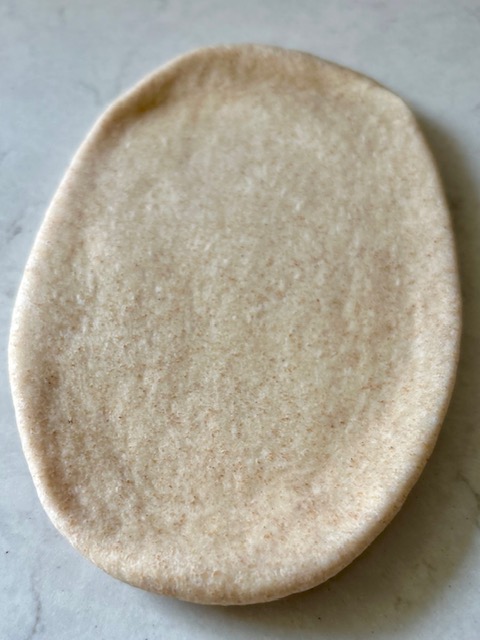
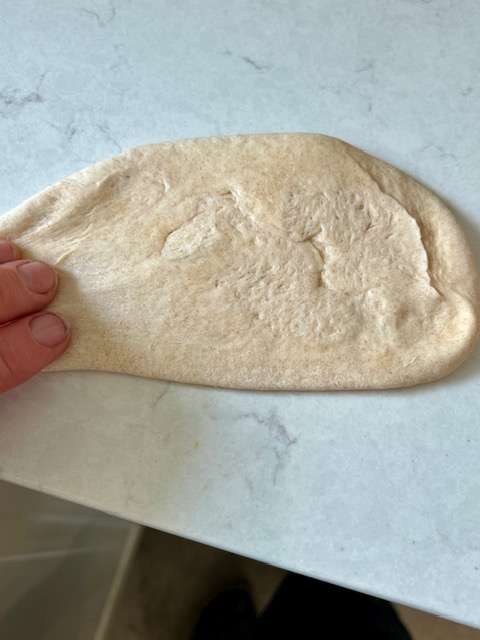
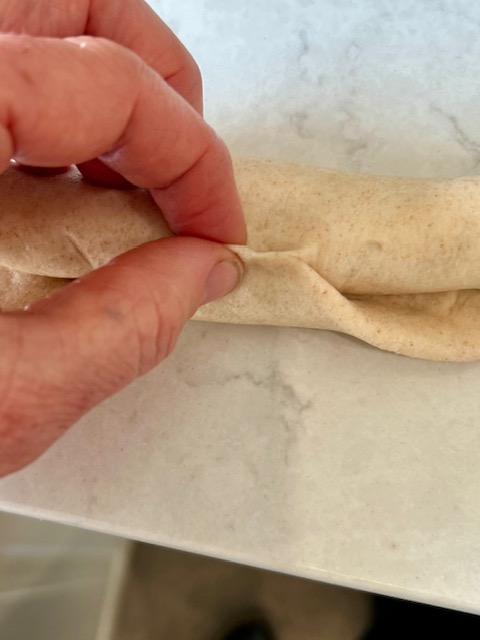
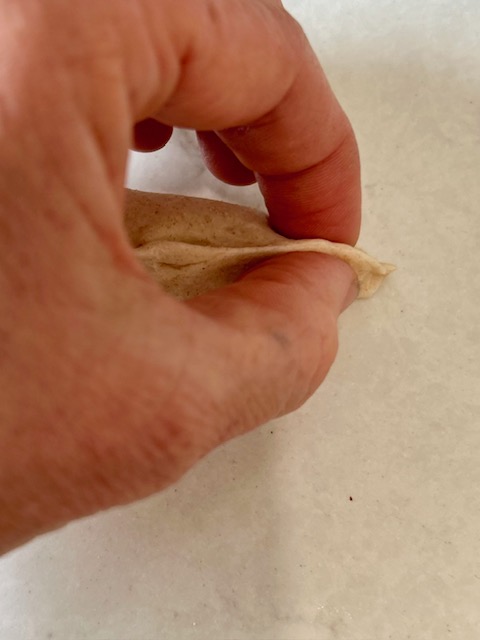
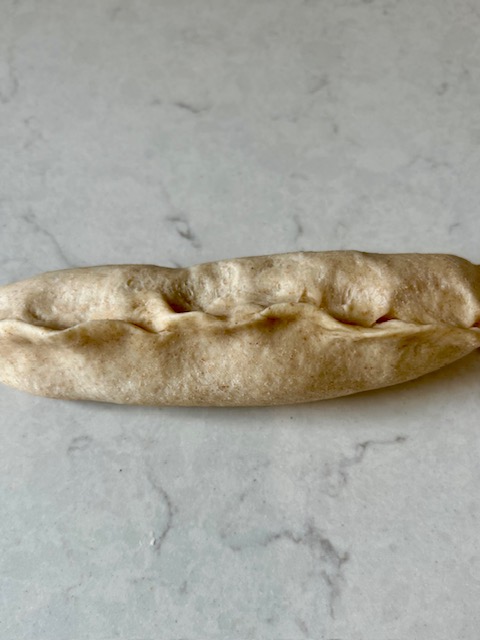
Place each bun, seam side down, on the buttered sheet pan, each about 1 1/2″ from center to center.
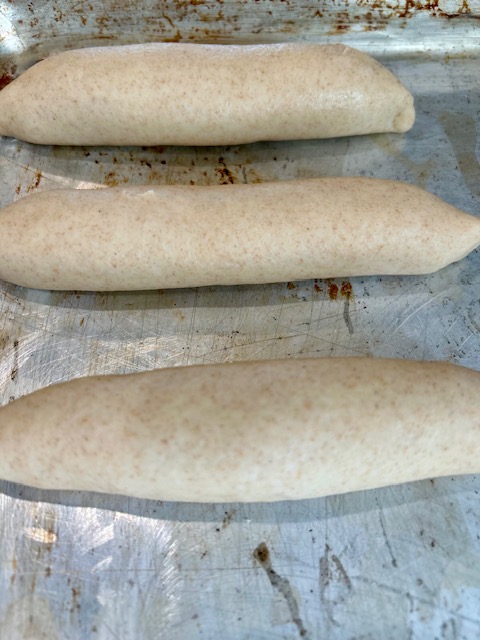
Cover with a damp tea towel and allow to rise in a warm place for ~one hour
Pre-heat oven to 400 degrees (convection if possible).
Just before baking, mix one beaten egg with 1-2 tbsp cold water and brush over the tops of the buns. Sprinkle with small seeds of your choice if you like.
Bake for 20 minutes, turning the pan at 10 minutes for even baking.
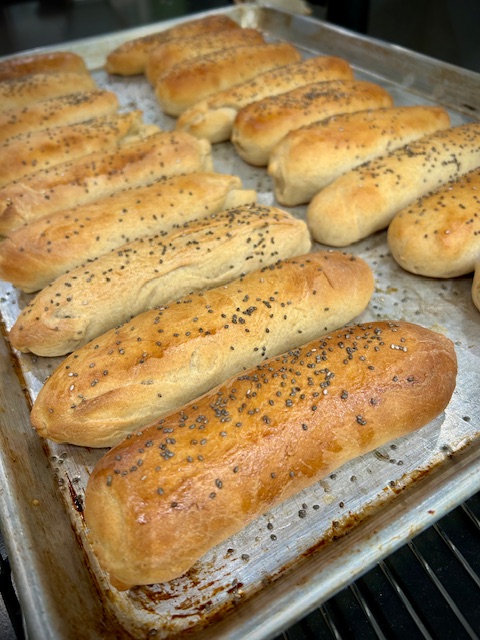
If you are making extras to freeze, remove at 10 minutes, allow to cool completely and then freeze in zipper bags.
For the toppings:
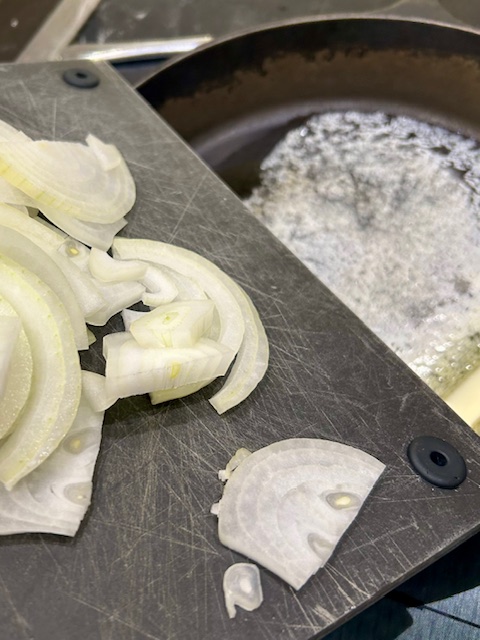
Finely slice one onion while heating butter in a skillet over medium-high heat
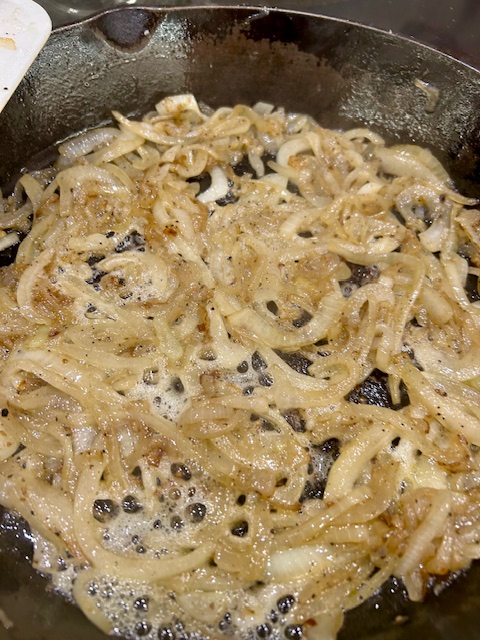
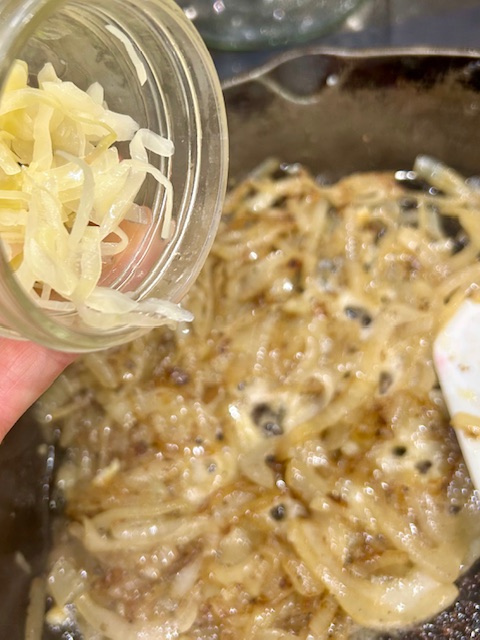
Add onion to foaming butter, add salt and pepper and saute until lightly golden. Add 1/2 jar sauerkraut, continue to cook until heated through and well mixed then serve.
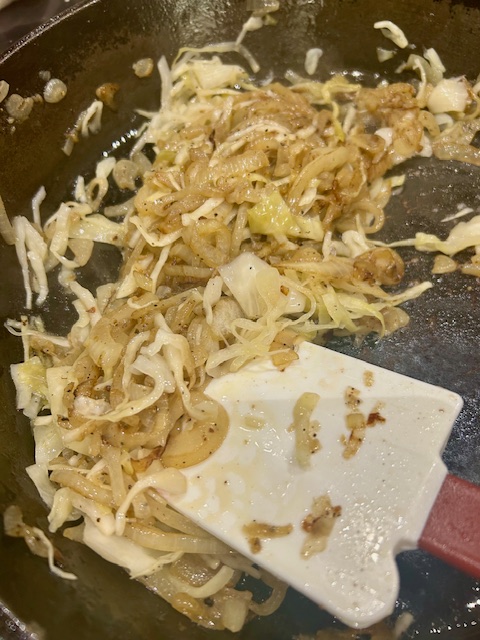
If you have extras, this makes an amazing sandwich topping. I have even used it on pizza (with green tomato chutney and EVOO as the base instead of tomato sauce) and it was delicious!
Time Savers, Storage Tips and Spin off Recipes
- Making homemade buns takes some time. Once you try them I am sure you will agree it is worth it. Even better? make a triple batch and freeze them, partially baked, for freshly baked buns in 15 minutes on a weeknight!
- Instead of baking the buns for 20 minutes, pull them out and allow them to completely cool after 10 minutes then freeze in ziplock bags.
- When you want to use them, place them, frozen, in a 400 degree (convection if possible) oven for 15 minutes, until the tops are golden brown.
Did you Know?
Freezing bread not only makes having fresh bread more accessible, it also converts simple starches into resistant starches.
Simple starches are processed by our body as sugars, leading to a spike of glucose, followed by a spike in insulin and then a glucose crash, all of which have health implications.
Resistant starches, on the other hand, are known as pre-biotics and are processed similarly to fibre.
They travel further along the GI tract and provide food for the microbes that line the gut wall. These microbes ferment resistant starches, forming short chain fatty acids.
Rather than contributing to inflammation as simple starches do, these short chain fatty acids are highly anti-inflammatory, helping to build and repair the gut barrier and train the immune system to function more effectively.
How is that for a win-win? Easy and delicious, guilt-free, and inflammation fighting sausage buns!
| This Recipe’s Plant Count: Buns: 2 Sauerkraut / onions: 2 (bonus points for fermented food!) Green tomato chutney: 11 |
| Time required: 3-3.5 hours, 30-60 minutes active |
| # Servings: 18 sausage buns Sauerkraut and onion recipe is enough for 8-10 sausages |
 Harmony Kitchen